

Sanitary Stainless Steel Tubing
Shaw Stainless & Alloy stocks sanitary stainless steel tubing in 304L and 316L grades for food, beverage, dairy, pharmaceutical, and biotech processing applications. Our sanitary tube inventory conforms to ASTM A270 and 3-A Sanitary Standards, with interior surfaces polished to 32 Ra microinch (0.8 μm) or better to prevent bacterial harboring and ensure complete cleanability.
Complete our Contact Form or call (800) 282-9694 to speak with a Shaw Stainless representative about your sanitary tubing requirements.
Contact us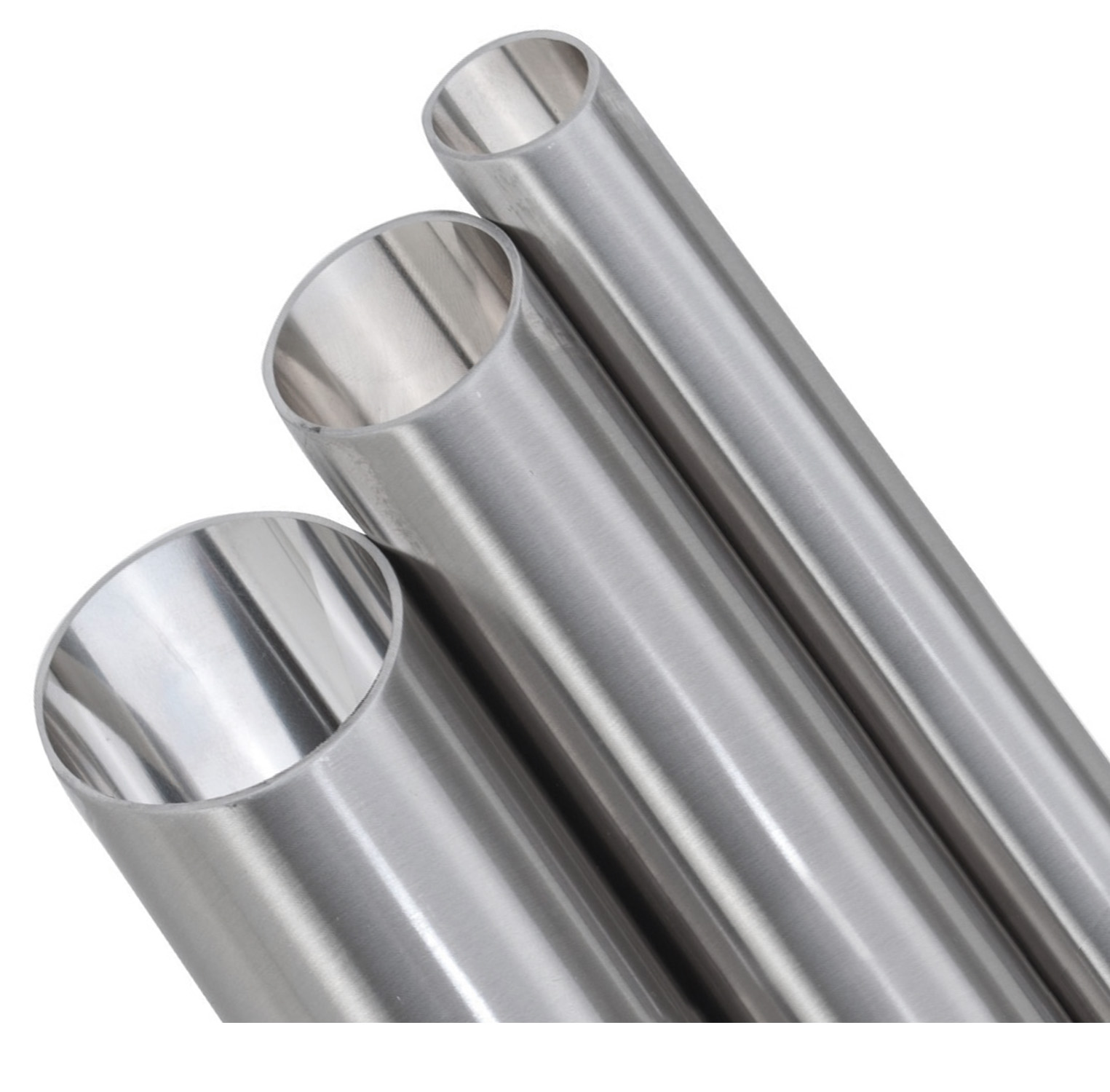
About Sanitary Stainless Steel Tubing
Sanitary stainless steel tubing is purpose-built for hygienic processing applications where product purity, cleanability, and regulatory compliance are critical. Unlike standard industrial tubing, sanitary tube is manufactured to strict dimensional tolerances and surface finish requirements that prevent bacteria, product residue, and contaminants from adhering to interior surfaces. Shaw Stainless stocks a comprehensive inventory of sanitary tubing in both 304L and 316L grades.
Sanitary Tubing Specifications & Standards
Shaw Stainless stocks sanitary stainless steel tubing conforming to the following standards:
- ASTM A270 — Seamless and welded austenitic stainless steel sanitary tubing. This is the primary ASTM specification for sanitary tube, covering dimensional requirements, mechanical properties, and surface finish criteria.
- 3-A Sanitary Standards (02-Series) — The industry standard for equipment used in dairy and food processing. 3-A certification requires that all product-contact surfaces be smooth, non-porous, non-absorbent, non-reactive, and free of crevices.
- Grades: 304L (UNS S30403) and 316L (UNS S31603) — low-carbon versions are specified because sanitary tube is almost always welded during system fabrication
Sanitary Tube Surface Finish Requirements
Surface finish is what separates sanitary tubing from standard stainless steel tube. The interior surface must be smooth enough to prevent bacterial harboring and allow complete drainage and cleaning. Common sanitary tube finishes include:
| Finish | ID Ra (μin) | ID Ra (μm) | Typical Use |
|---|---|---|---|
| Mechanical Polish | ≤ 32 | ≤ 0.8 | Dairy, beverage, general food processing |
| Mechanical + Electropolish | ≤ 25 | ≤ 0.6 | Pharmaceutical, biotech, high-purity water |
| Electropolish Only | ≤ 20 | ≤ 0.5 | Semiconductor, ultra-high-purity (UHP) systems |
| Mill Finish (A270) | ≤ 32 | ≤ 0.8 | Standard 3-A compliant applications |
Shaw Stainless also offers electropolishing and passivation services for tubing that requires enhanced surface finish beyond mill standard.
Sanitary Tube Sizing & Dimensions
Sanitary stainless steel tubing is dimensioned by outside diameter (OD), not nominal pipe size. Standard sanitary tube ODs are sized to work with standard tri-clamp fittings and sanitary weld fittings. Common sizes range from 1/2" OD through 6" OD, with wall thickness typically 0.065" for sizes up to 3" OD and 0.083" for larger sizes. Ends are square-cut for use with standard sanitary clamp connections.
304L vs. 316L for Sanitary Applications
Both 304L and 316L are widely used in sanitary processing. The low-carbon (“L”) grades are always specified because sanitary tubing systems are fabricated by welding.
- 304L is the standard choice for dairy, beverage, juice, and general food processing applications where chloride exposure is limited and cleaning is done with mild alkaline or caustic CIP solutions.
- 316L is recommended when the process fluid contains chlorides (saline, brine), when chlorinated cleaning agents are used regularly, or when additional corrosion resistance is needed — common in pharmaceutical, biotech, and cosmetic manufacturing.
Not sure which grade to specify? Contact us — our team can help you select the right grade for your process.
Common Applications for Sanitary Stainless Steel Tubing
- Dairy Processing: Milk receiving, pasteurization, homogenization, cheese and yogurt production, and CIP systems
- Beverage Production: Beer, wine, spirits, juice, soft drink, and bottled water transfer and processing lines
- Food Processing: Sauce, condiment, and ingredient transfer lines, cooking systems, and packaging equipment
- Pharmaceutical & Biotech: WFI (water for injection) systems, clean steam, media transfer, buffer preparation, and CIP/SIP (steam-in-place) systems
- Cosmetics & Personal Care: Lotion, cream, and liquid product transfer and mixing systems
- High-Purity Water: RO/DI water distribution, ultrapure water systems, and laboratory water supply
Sanitary Tubing vs. Standard Stainless Steel Tubing
Standard stainless steel tubing (ASTM A269) and sanitary tubing (ASTM A270) use the same base alloys but differ in key ways:
- Surface Finish: Sanitary tube has a controlled interior surface finish (≤ 32 Ra μin) that prevents bacterial adhesion. Standard tube has no interior finish requirement.
- Dimensional Tolerances: Sanitary tube has tighter OD tolerances to ensure proper fit with tri-clamp and sanitary weld fittings.
- Inspection: A270 sanitary tube undergoes additional inspection and testing, including eddy current or ultrasonic testing and hydrostatic testing.
- Documentation: Sanitary tube typically ships with full material test reports (MTRs) and 3-A compliance documentation.
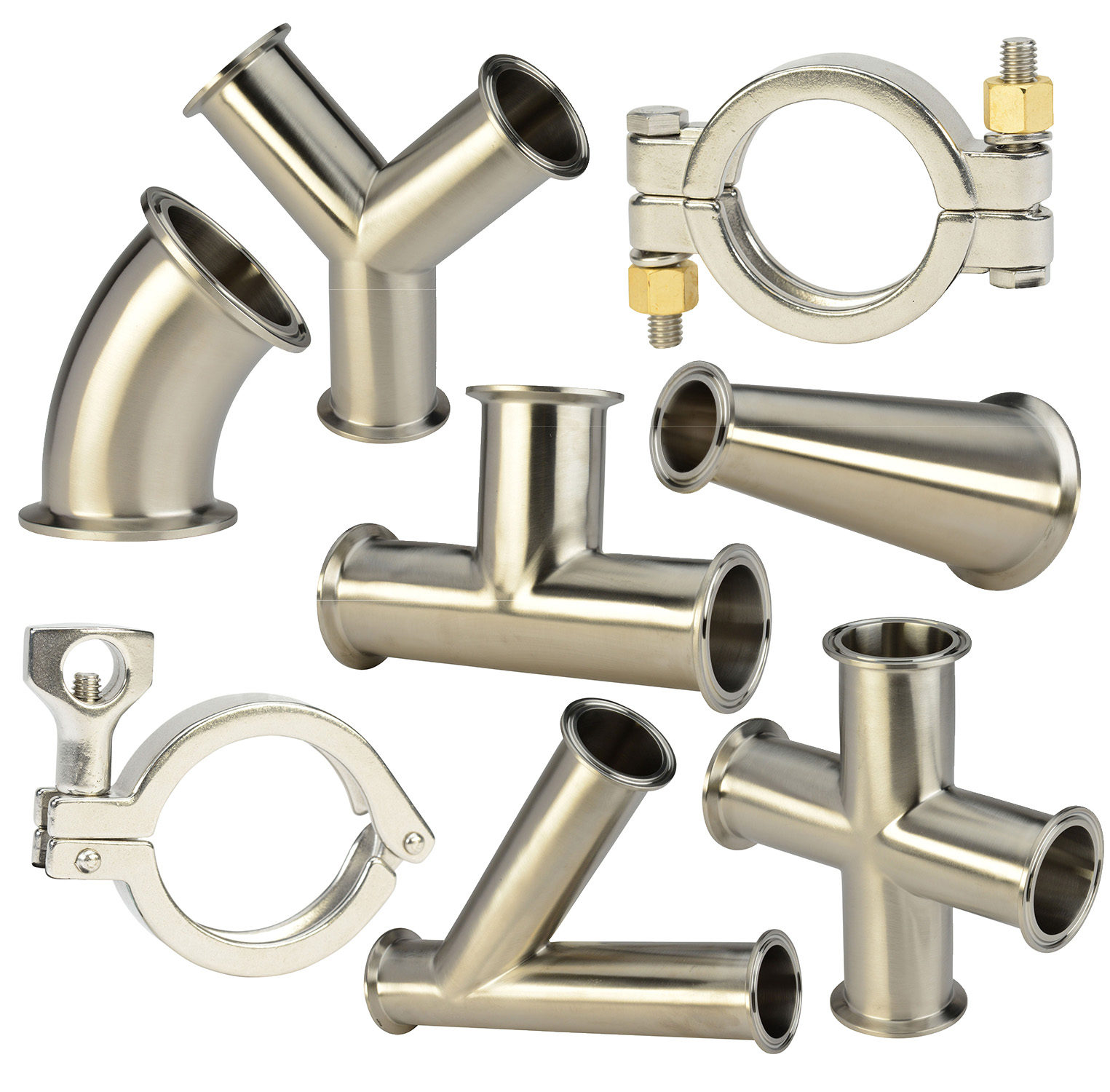
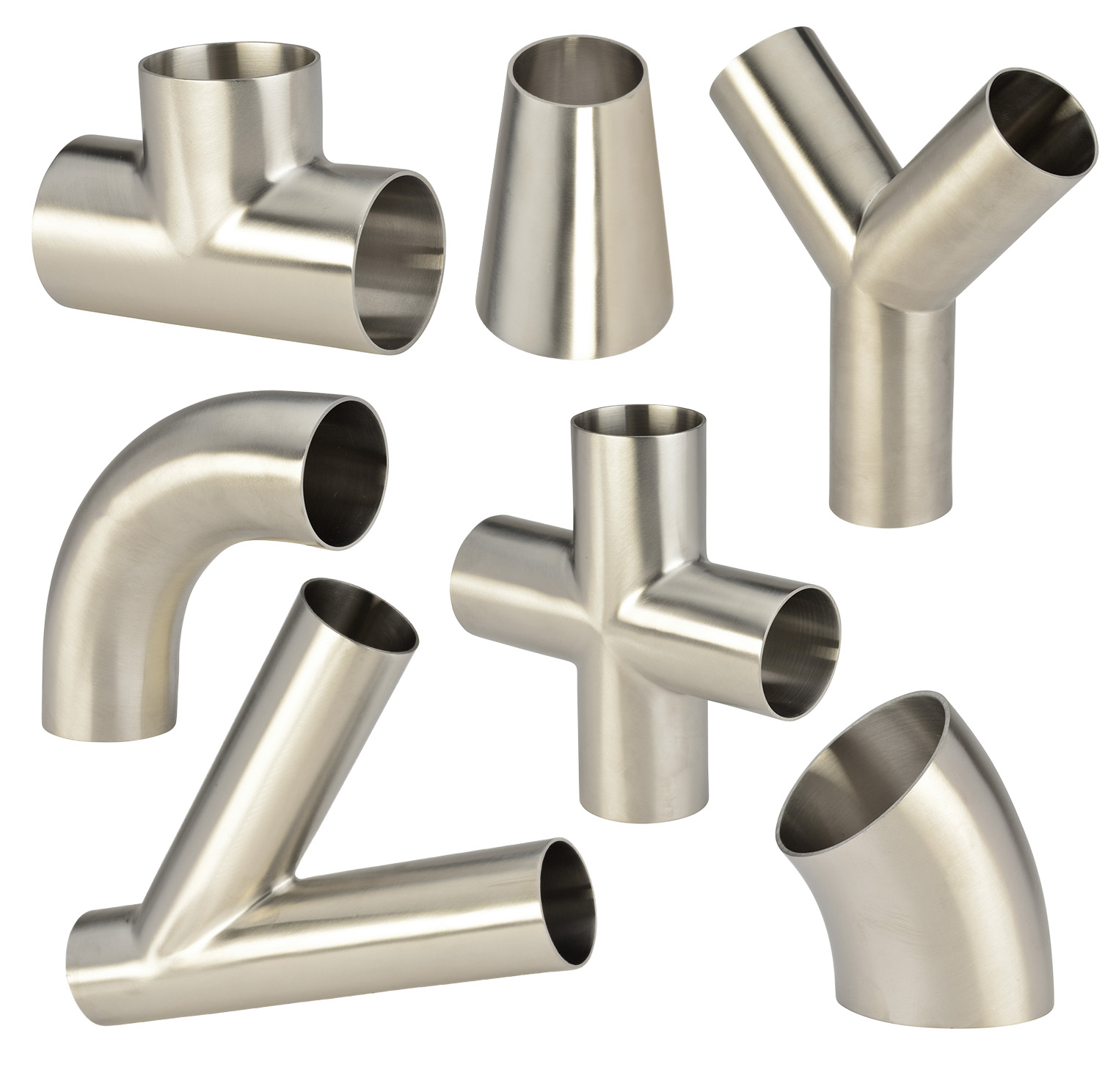
In addition to sanitary tubing, Shaw Stainless stocks a complete line of sanitary system components including sanitary clamp fittings, sanitary weld fittings, and sanitary valves. We also offer polishing and electropolishing & passivation services.
Contact us today and speak to one of our representatives about your sanitary stainless steel tubing needs.

Frequently Asked Questions: Sanitary Stainless Steel Tubing
What makes tubing “sanitary” vs. standard stainless steel tubing?
Sanitary tubing differs from standard stainless steel tubing in three key ways: surface finish, dimensional tolerances, and inspection. Sanitary tube (ASTM A270) has a controlled interior surface finish of 32 Ra microinch (0.8 μm) or better, which prevents bacterial adhesion and ensures complete cleanability. It has tighter OD tolerances for proper fit with tri-clamp and sanitary fittings. And it undergoes additional testing including eddy current or ultrasonic inspection.
Should I use 304L or 316L sanitary tubing?
304L is the standard choice for dairy, beverage, and general food processing where chloride exposure is limited. 316L is recommended when the process involves chlorides, saline solutions, chlorinated cleaning agents, or when additional corrosion resistance is needed — common in pharmaceutical, biotech, and cosmetic manufacturing. Both grades are available from Shaw Stainless. Contact us if you need help selecting the right grade.
What is ASTM A270 and how does it differ from A269?
ASTM A270 is the specification for sanitary stainless steel tubing, while A269 covers general-service tubing. A270 adds requirements for interior surface finish (≤ 32 Ra μin), tighter dimensional tolerances for compatibility with sanitary fittings, and additional inspection and testing (eddy current or ultrasonic). Both specifications cover the same 304L and 316L alloys, but A270 tubing is manufactured and tested to the higher standards required for hygienic processing.
What are 3-A Sanitary Standards?
3-A Sanitary Standards are industry standards developed by 3-A SSI (Sanitary Standards, Inc.) that establish criteria for the design, fabrication, and cleanability of equipment used in food, beverage, and dairy processing. For tubing, 3-A standards require that product-contact surfaces be smooth, non-porous, non-absorbent, corrosion resistant, non-reactive, and free of crevices. Equipment meeting 3-A standards carries the 3-A symbol, widely accepted by USDA, FDA, and state regulators.
What surface finish do I need for pharmaceutical sanitary tubing?
Pharmaceutical applications typically require a mechanically polished and electropolished interior surface finish of 25 Ra microinch (0.6 μm) or better. For ultra-high-purity (UHP) and semiconductor applications, finishes of 15–20 Ra microinch (0.4–0.5 μm) may be specified. Standard dairy and food processing sanitary tube requires 32 Ra microinch (0.8 μm) or better.
What sizes does sanitary stainless steel tubing come in?
Sanitary stainless steel tubing is dimensioned by outside diameter (OD), not nominal pipe size. Standard sizes range from 1/2" OD through 6" OD, with wall thicknesses typically 0.065" for sizes up to 3" OD and 0.083" for larger sizes. All sizes are manufactured to work with standard tri-clamp and sanitary weld fittings. Shaw Stainless stocks a full range of sanitary tube sizes.
Can Shaw Stainless provide a complete sanitary tubing system?
Yes. In addition to sanitary tubing, Shaw Stainless stocks sanitary clamp fittings, sanitary weld fittings, and sanitary valves. We also offer polishing and electropolishing & passivation services. Contact us or call (800) 282-9694 to discuss your project.