

304 Stainless Steel Tubing
Shaw Stainless & Alloy stocks a comprehensive inventory of 304 and 304L stainless steel tubing in seamless and welded construction. 304 stainless steel — also known as 18/8 (18% chromium, 8% nickel) — is the most widely used austenitic stainless steel grade, offering an excellent combination of corrosion resistance, formability, strength, and value for a broad range of industrial and commercial applications.
Complete our Contact Form or call (800) 282-9694 to speak with a Shaw Stainless representative about your 304 stainless steel tubing requirements.
Contact us
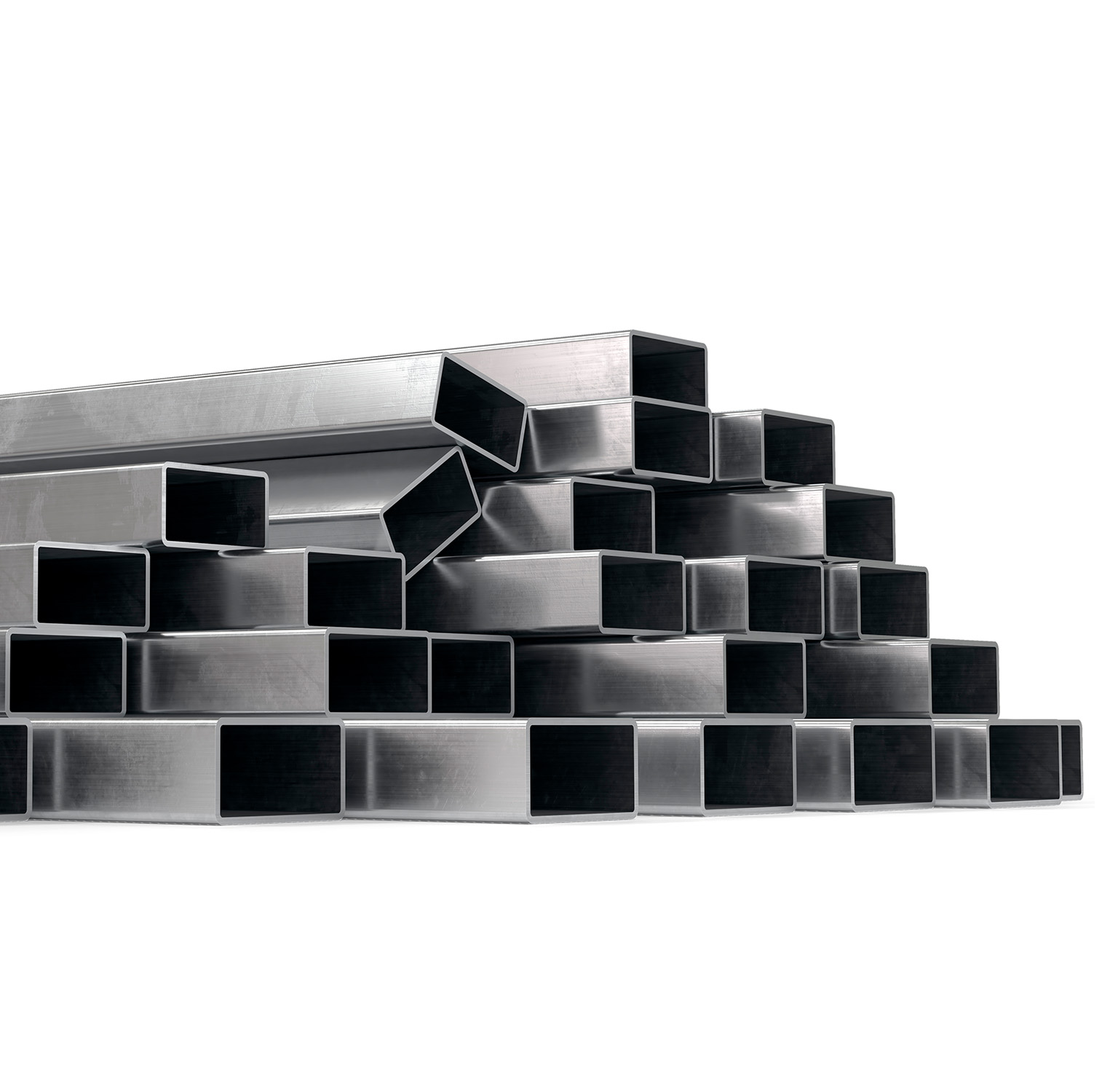
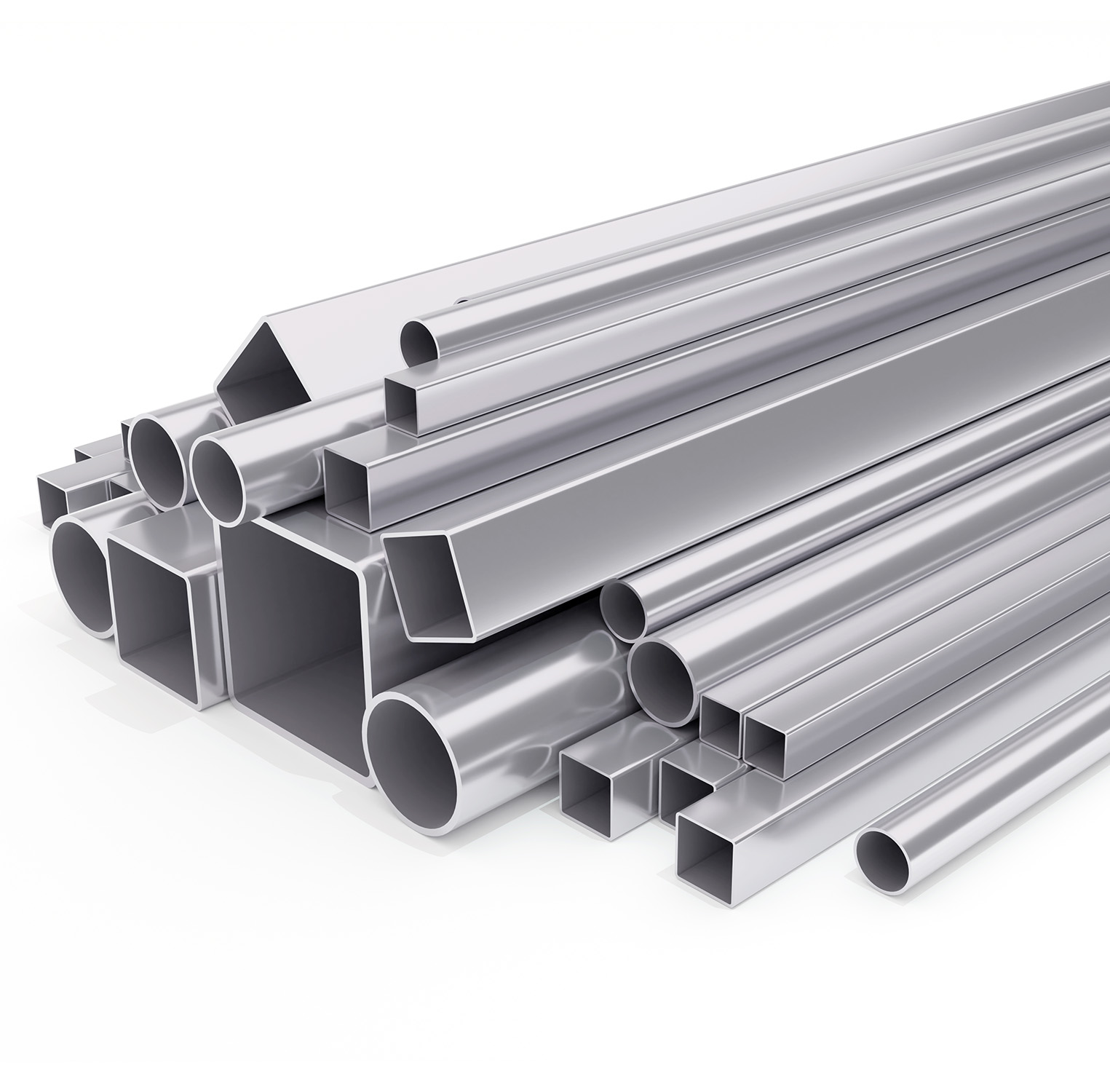
About 304 Stainless Steel Tubing
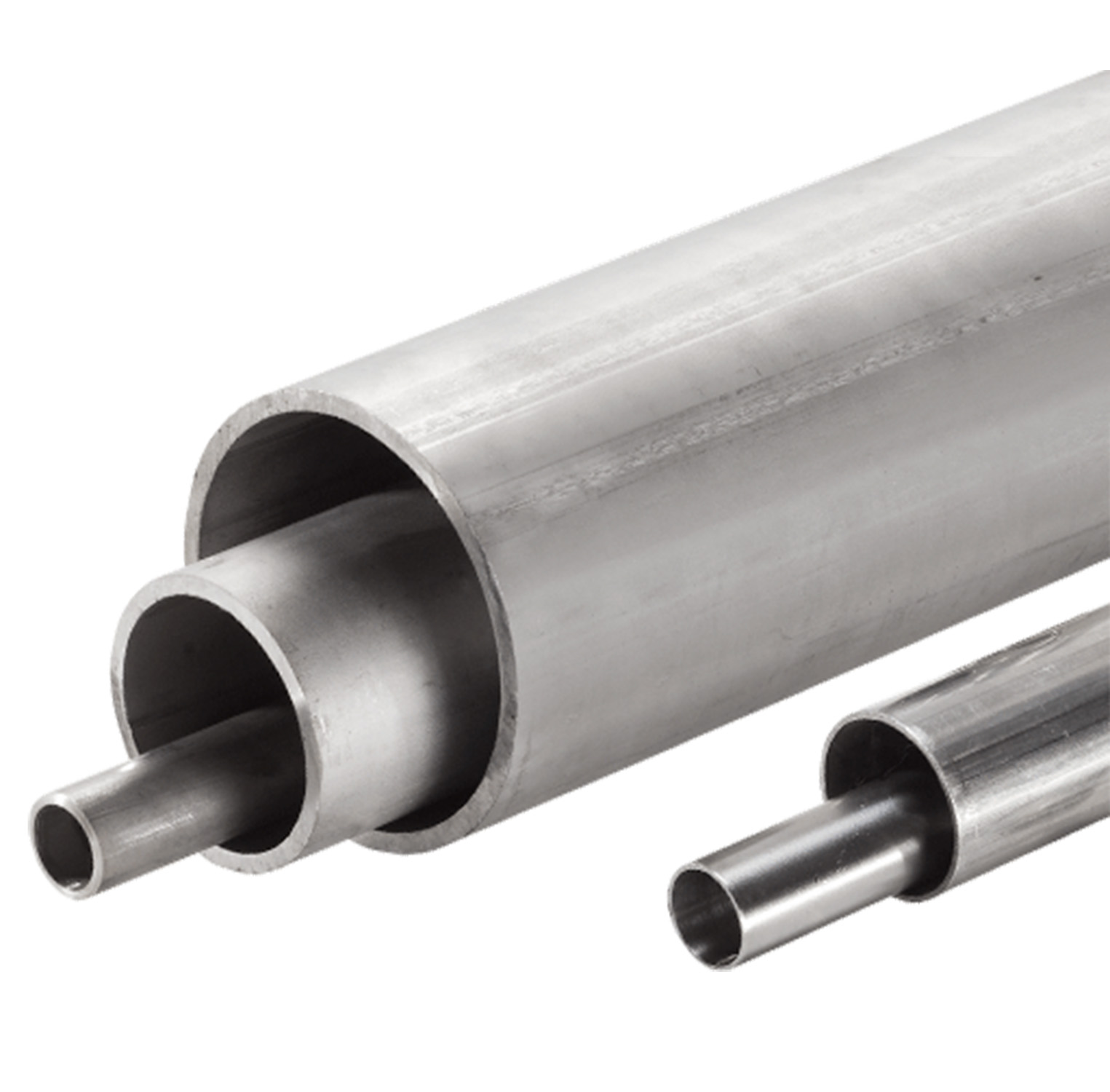
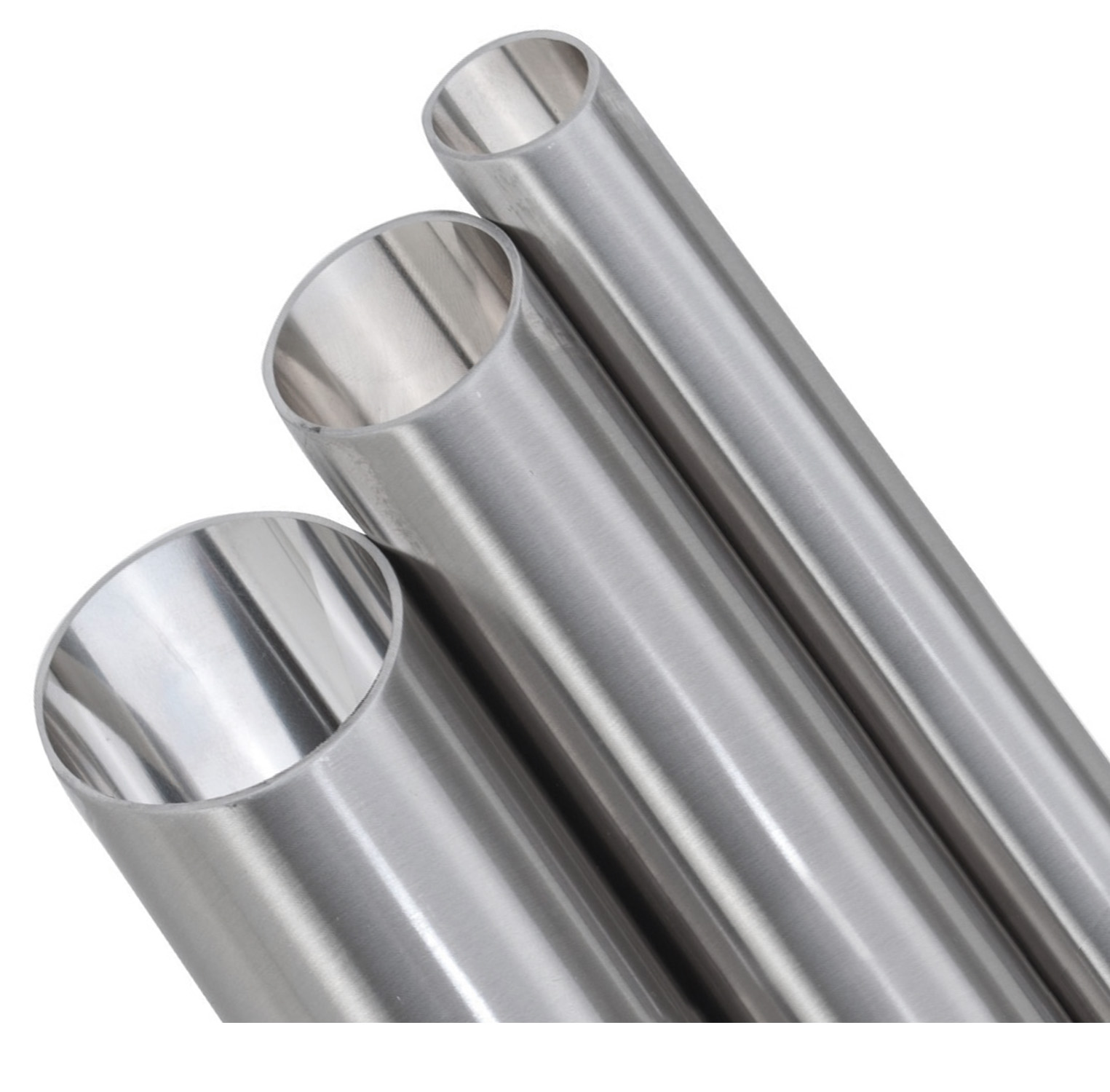
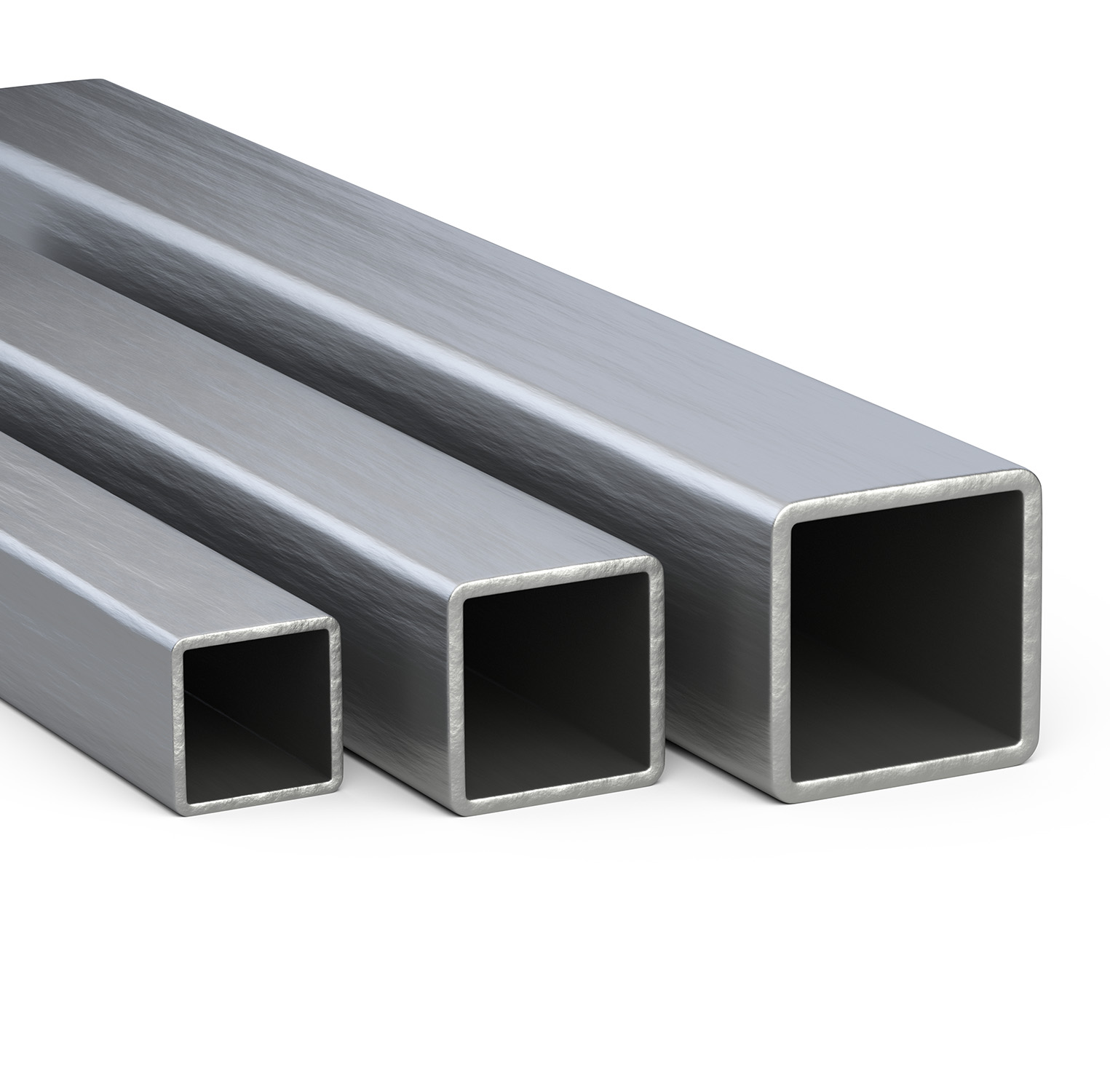
304 stainless steel tubing is the most widely specified grade of stainless tube in the world. Its combination of excellent corrosion resistance, good formability, high strength, and relatively low cost makes it the go-to material for an enormous range of industrial, architectural, food processing, and general-purpose applications. Shaw Stainless stocks one of the largest assortments of 304 and 304L stainless steel tubing in the United States, in both seamless and welded construction.
304 Stainless Steel Tubing Specifications
Shaw Stainless stocks 304 and 304L stainless steel tubing conforming to the following ASTM standards:
- ASTM A213 — Seamless ferritic and austenitic alloy steel boiler, superheater, and heat-exchanger tubes
- ASTM A269 — Seamless and welded austenitic stainless steel tubing for general service
- ASTM A270 — Seamless and welded austenitic stainless steel sanitary tubing
- ASTM A511 — Seamless stainless steel mechanical tubing
- ASTM A554 — Welded stainless steel mechanical tubing
304 stainless steel tube is available with annealed and pickled as well as bright annealed finishes. We stock a wide range of outside diameters and wall thicknesses, with custom cutting, polishing, and processing available to your exact specifications.
304 Stainless Steel Chemical Composition
| Grade | UNS | C (max) | Cr | Ni | Mn (max) | Si (max) | P (max) |
|---|---|---|---|---|---|---|---|
| 304 | S30400 | 0.08% | 18–20% | 8–10.5% | 2.00% | 0.75% | 0.045% |
| 304L | S30403 | 0.03% | 18–20% | 8–12% | 2.00% | 0.75% | 0.045% |
304 Stainless Steel Tubing Mechanical Properties
| Property | 304 | 304L |
|---|---|---|
| Tensile Strength (min) | 75,000 PSI (515 MPa) | 70,000 PSI (485 MPa) |
| Yield Strength (min) | 30,000 PSI (205 MPa) | 25,000 PSI (170 MPa) |
| Elongation (min, 2 in.) | 40% | 40% |
| Hardness (max, Rockwell B) | 92 HRB | 92 HRB |
| Melting Range | 2550–2650°F (1400–1455°C) | |
| Density | 0.29 lb/in³ (8.0 g/cm³) | |
Seamless vs. Welded 304 Stainless Steel Tubing
Seamless 304 stainless steel tube is produced by piercing a solid billet, creating a tube with no weld seam. This provides uniform grain structure, higher pressure ratings, and consistent corrosion resistance throughout the tube wall. Seamless tube is the preferred choice for high-pressure systems, heat exchangers, boiler tubes, and critical instrumentation lines.
Welded 304 stainless steel tube is formed from flat strip and welded longitudinally. Modern welding and annealing technology produces a weld seam that closely matches the base metal in strength and corrosion resistance. Welded tube offers tighter dimensional tolerances, superior surface finish, and lower cost — making it the standard selection for general service, structural, mechanical, and architectural applications.
304 vs. 304L Stainless Steel Tubing
304L is the low-carbon version of 304, with a maximum carbon content of 0.03% compared to 0.08% for standard 304. The reduced carbon in 304L prevents carbide precipitation (sensitization) in the heat-affected zone during welding, protecting against intergranular corrosion at weld joints. For welded tubing assemblies in corrosive service, 304L is the preferred choice. In non-welded applications, 304 and 304L tubing are essentially equivalent in performance. Shaw Stainless stocks both grades.
Common Applications for 304 Stainless Steel Tubing
304 stainless steel tubing’s versatility makes it suitable for an exceptionally broad range of applications:
- Food & Beverage: Dairy processing lines, brewery systems, juice and soft drink transfer tubing, and CIP (clean-in-place) systems using 304L sanitary tube and sanitary clamp fittings
- Industrial Piping: General-purpose process tubing, compressed air systems, pneumatic lines, and water distribution
- Architectural & Ornamental: Handrails, guardrails, decorative tubing, furniture, and fixtures — available in a wide range of polished finishes
- Heat Transfer: Shell-and-tube heat exchangers, condensers, and evaporators in non-chloride environments
- Automotive & Transportation: Exhaust components, structural members, and fluid transfer lines
- Medical & Laboratory: Equipment frames, instrumentation tubing, and laboratory fixtures
- Mechanical & Structural: Machine components, shafts, bushings, and structural supports where corrosion resistance is required
304 vs. 316 Stainless Steel Tubing
The key difference between 304 and 316 stainless steel tubing is the addition of 2–3% molybdenum in 316, which provides substantially better resistance to pitting and crevice corrosion in chloride-containing environments. If your application involves marine or saltwater exposure, chlorinated cleaners, or aggressive chemical environments, 316 is the better choice. For applications without significant chloride exposure — food processing, HVAC, compressed air, freshwater, architectural, and general industrial — 304 provides equivalent corrosion performance at a meaningfully lower cost. Not sure which grade you need? Contact us — our team can help you select the right grade for your application.
In addition to stocking 304 stainless steel tubing, Shaw Stainless offers value-added services including custom cutting, polishing, tube bending, tube laser cutting, and electropolishing & passivation. Browse our complete line of 304 stainless steel products including pipe, flanges, fittings, and valves.
Contact us today and speak to one of our representatives about your 304 stainless steel tubing needs.


Frequently Asked Questions: 304 Stainless Steel Tubing
What is the difference between 304 and 304L stainless steel tubing?
304L is the low-carbon version of 304 stainless steel, with a maximum carbon content of 0.03% versus 0.08% for standard 304. The lower carbon in 304L prevents carbide precipitation (sensitization) during welding, which protects against intergranular corrosion at weld joints. For welded tubing assemblies in corrosive environments, 304L is the preferred choice. In non-welded applications, 304 and 304L are functionally interchangeable. Shaw Stainless stocks both grades.
What does 18/8 stainless steel mean?
18/8 is a common designation for 304 stainless steel, referring to its nominal composition of 18% chromium and 8% nickel. These are the two primary alloying elements that give 304 its corrosion resistance (chromium) and ductility and toughness (nickel). When you see “18/8 stainless steel tubing” specified, it refers to 304 grade.
What ASTM specifications cover 304 stainless steel tubing?
304 stainless steel tubing is covered by several ASTM specifications depending on the application: ASTM A213 (seamless boiler and heat exchanger tubes), ASTM A269 (seamless and welded tubing for general service), ASTM A270 (sanitary tubing for food, dairy, and pharmaceutical use), ASTM A511 (seamless mechanical tubing), and ASTM A554 (welded mechanical tubing).
Is 304 stainless steel tubing food safe?
Yes. 304 stainless steel is widely used in food and beverage processing equipment. When fabricated as sanitary tubing to ASTM A270 and 3-A Sanitary Standards, 304L stainless steel tube meets the strict surface finish and dimensional requirements for dairy, beverage, and food processing applications. The smooth, non-porous surface resists bacterial adhesion and is easily cleaned.
When should I choose 316 tubing over 304 tubing?
Choose 316 stainless steel tubing when your application involves exposure to chlorides, marine environments, saltwater, chlorinated cleaning agents, or aggressive chemicals such as sulfuric acid. 316 contains 2–3% molybdenum, which provides significantly better resistance to pitting and crevice corrosion. For applications without chloride or aggressive chemical exposure, 304 provides equivalent performance at a lower cost.
What is the maximum service temperature for 304 stainless steel tubing?
304 stainless steel tubing can be used in continuous service up to 1500°F (815°C) and in intermittent service up to 1600°F (870°C). However, prolonged exposure between 800–1500°F (425–815°C) can cause carbide precipitation in standard 304, so 304L or a stabilized grade (321) should be used for continuous elevated-temperature service in that range.
Does Shaw Stainless offer custom cutting and fabrication for 304 tubing?
Yes. Shaw Stainless provides custom cut-to-length service on all 304 and 304L stainless steel tubing. We also offer polishing, tube bending, tube laser cutting, and electropolishing & passivation. Contact us or call (800) 282-9694 to discuss your requirements.