

316 Stainless Steel
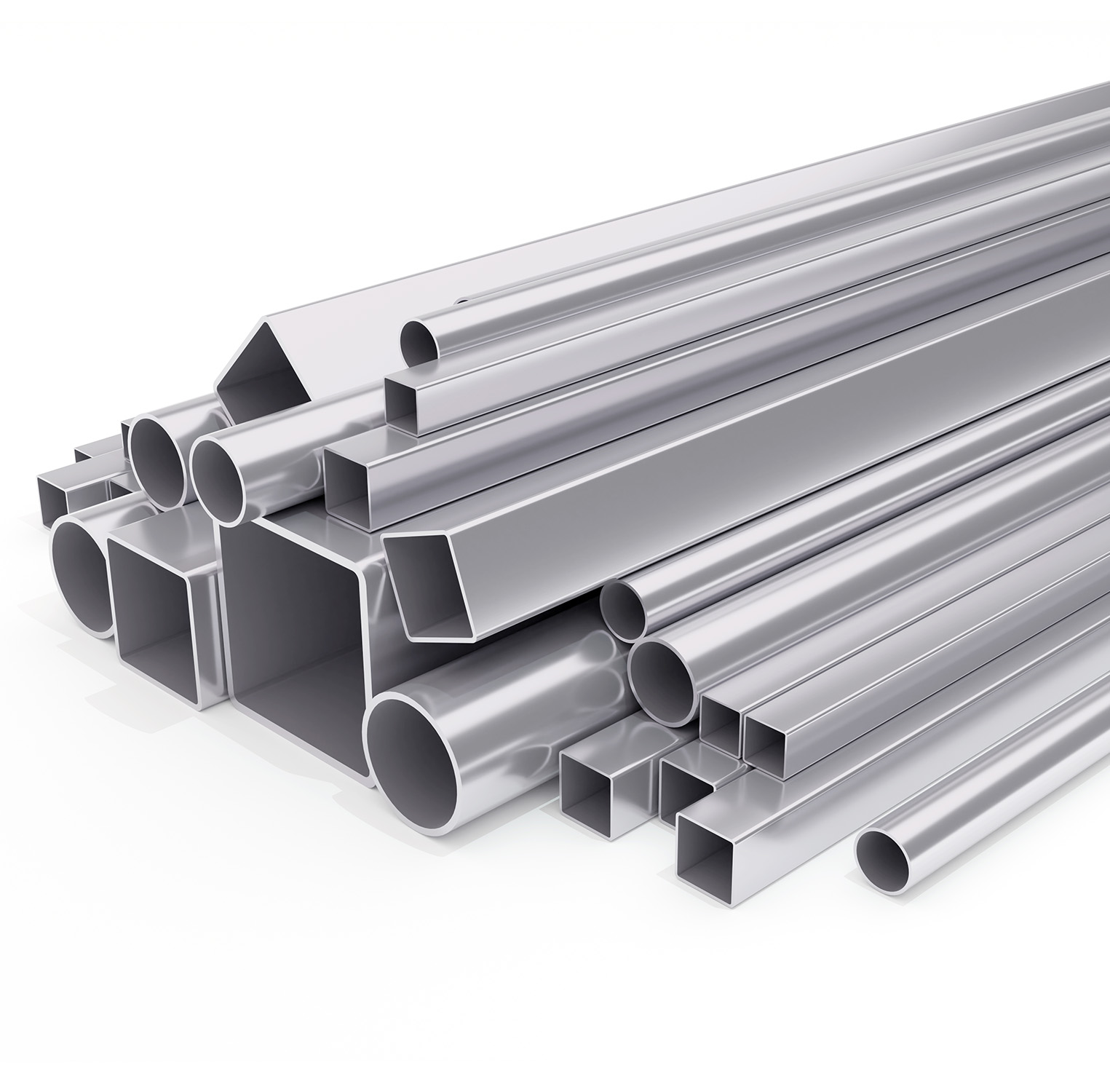
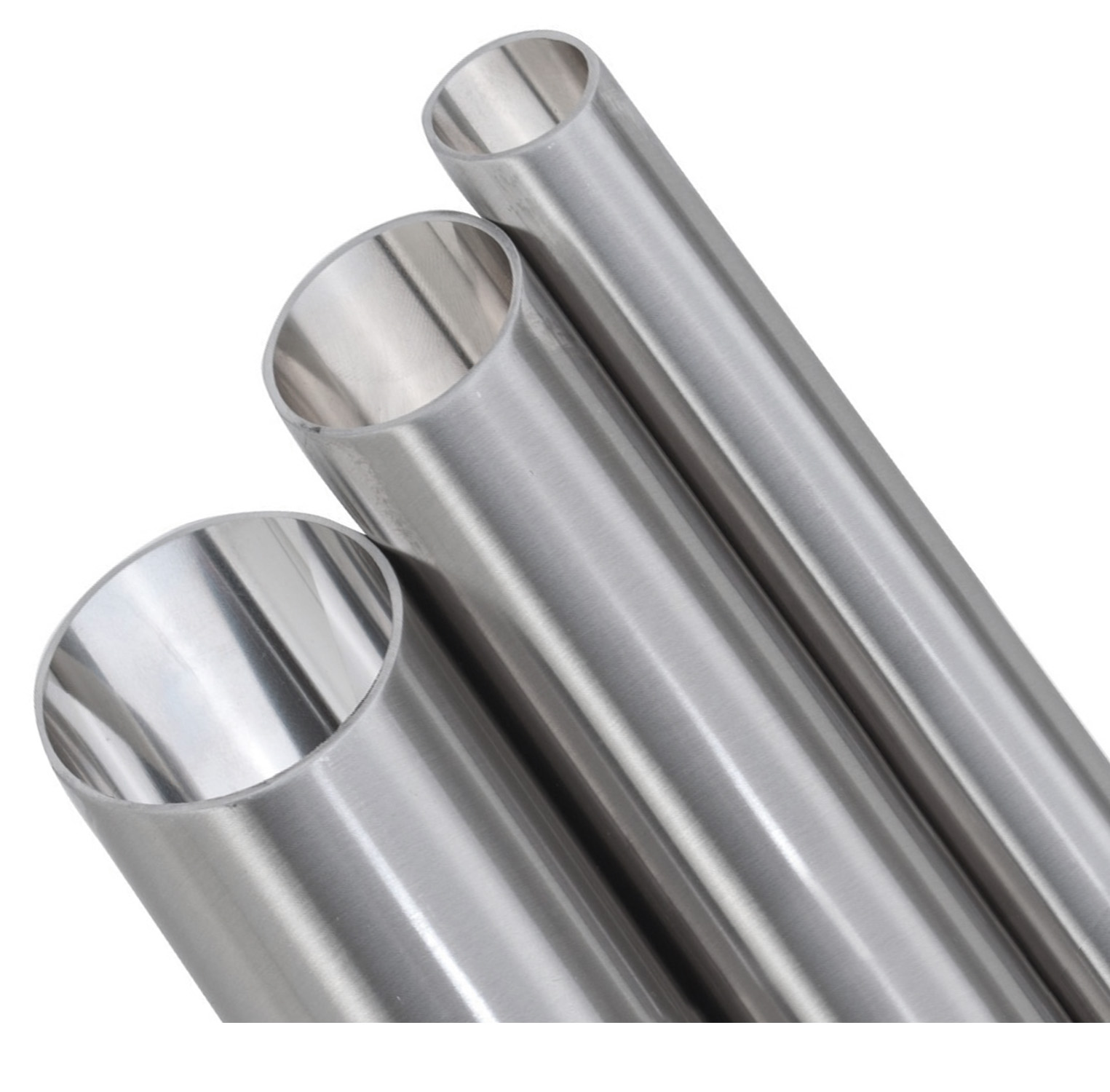
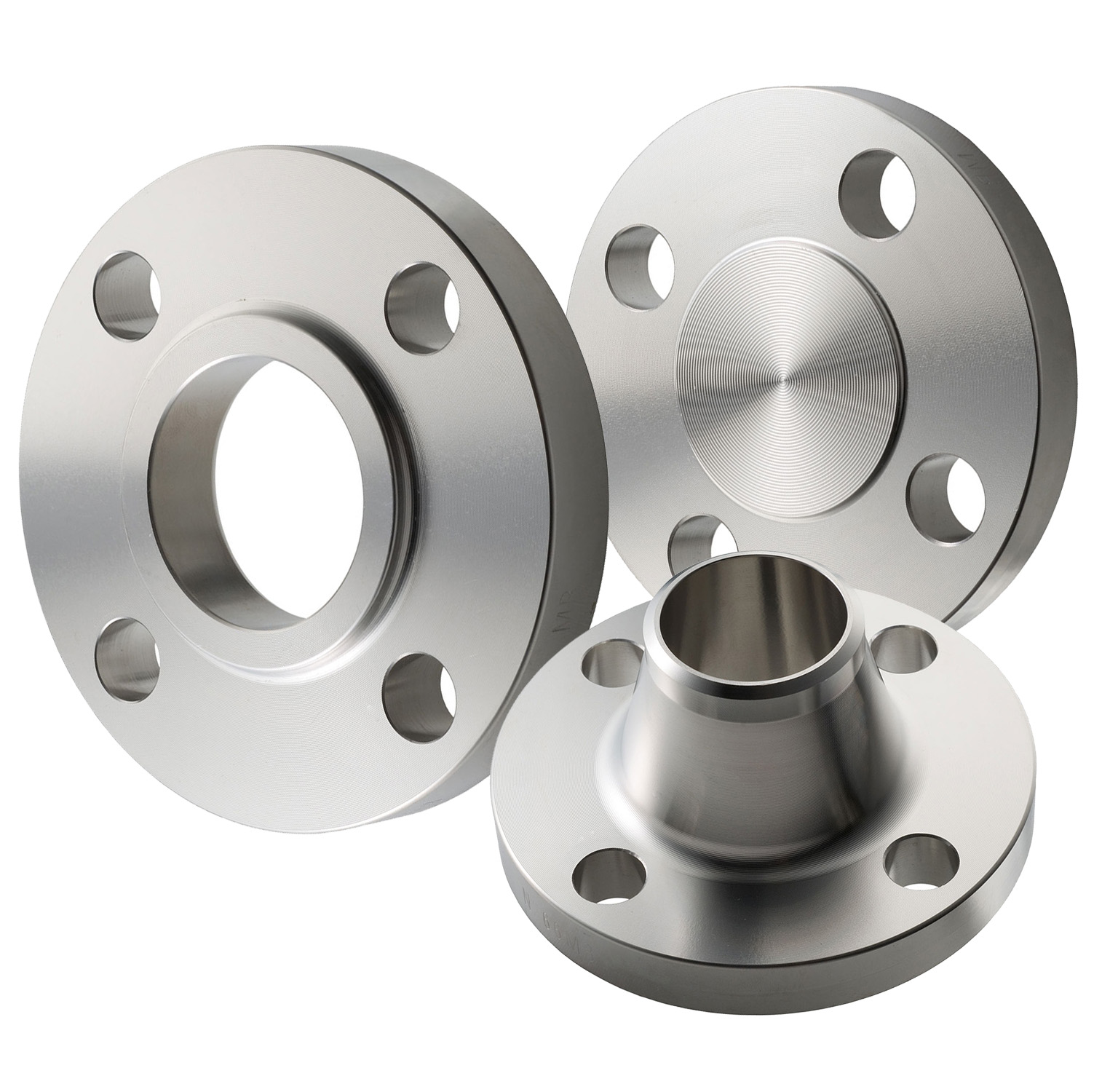
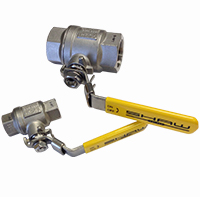
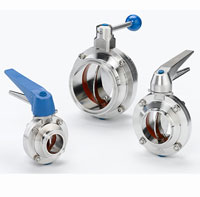
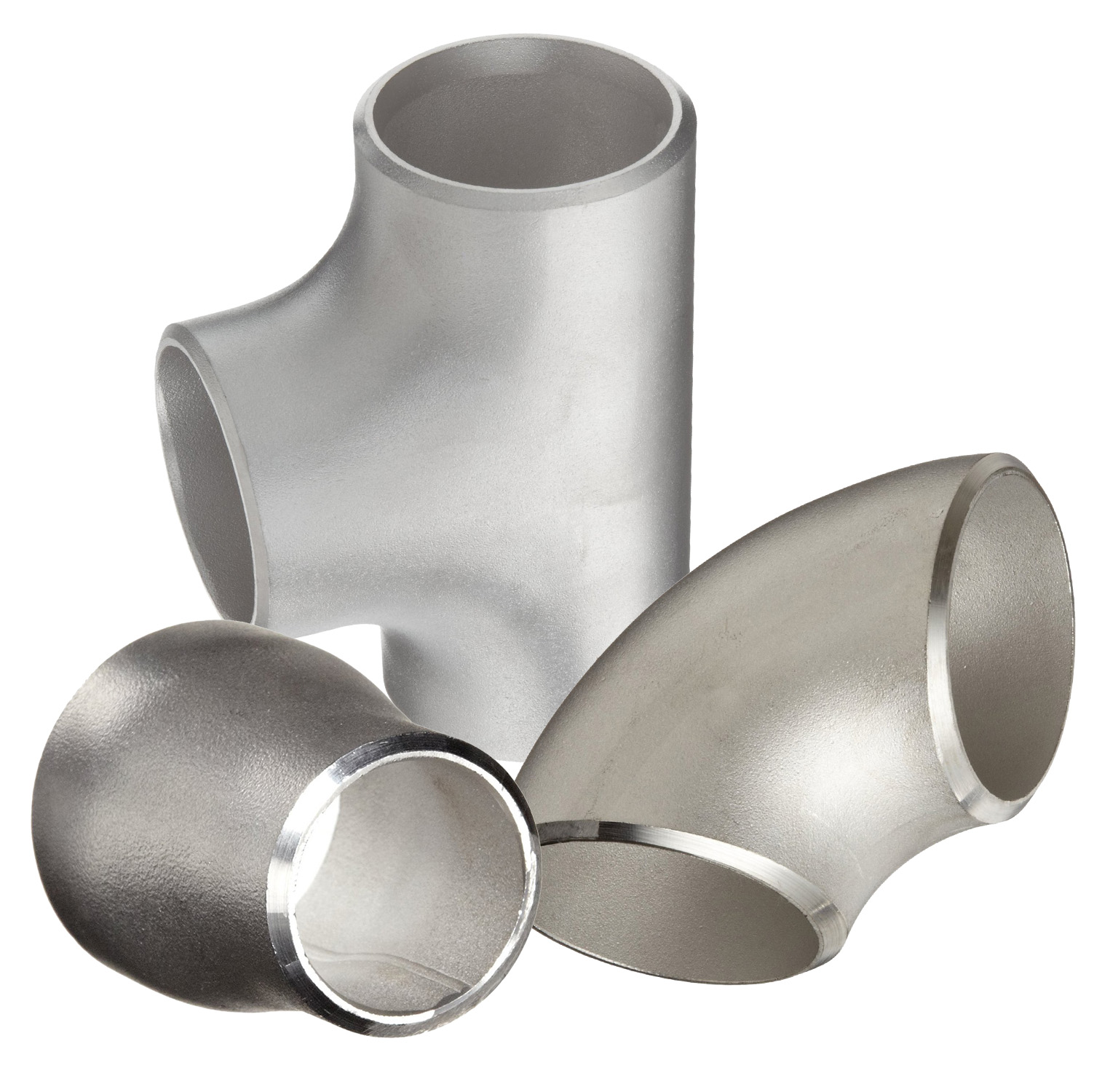
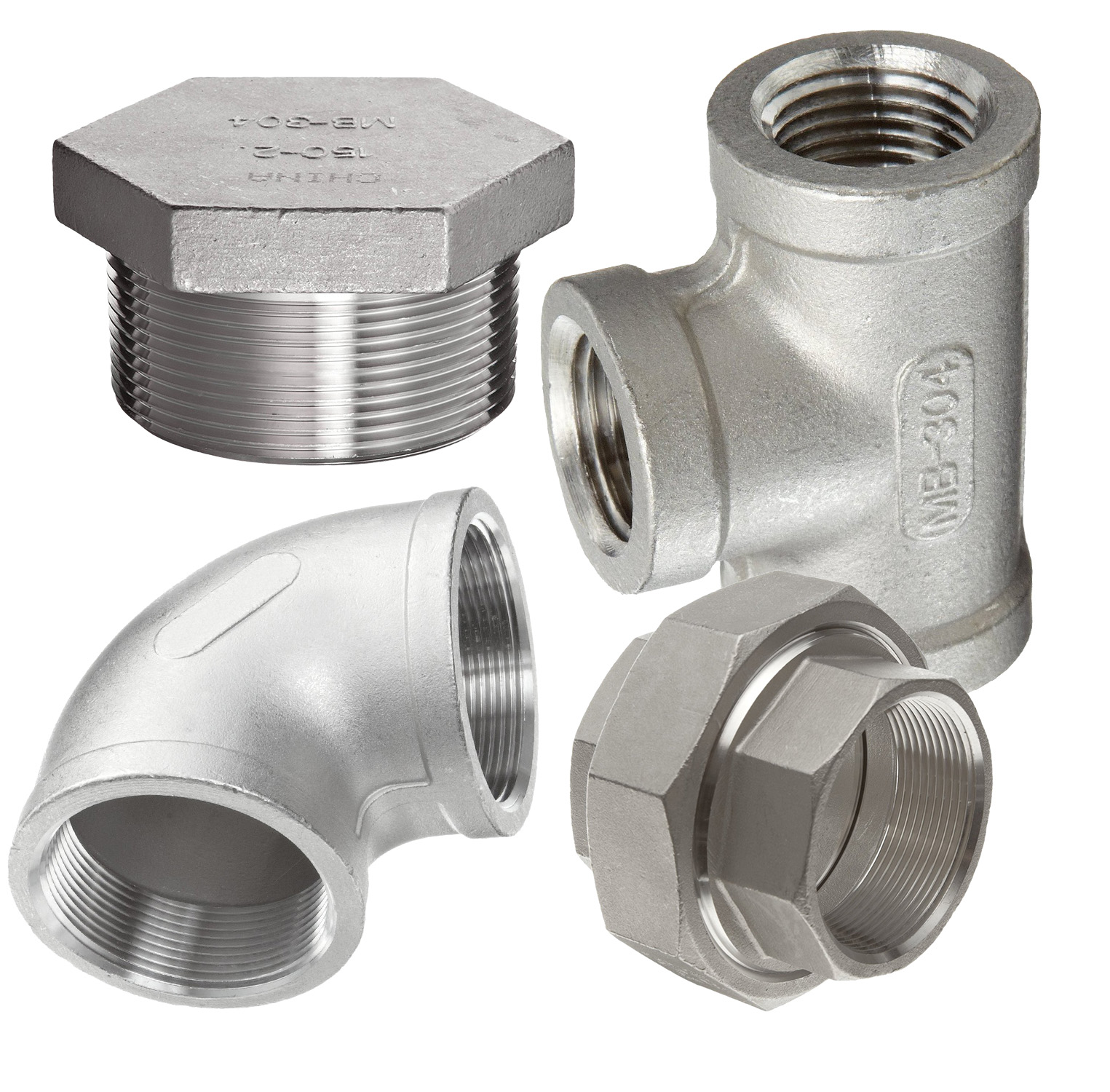
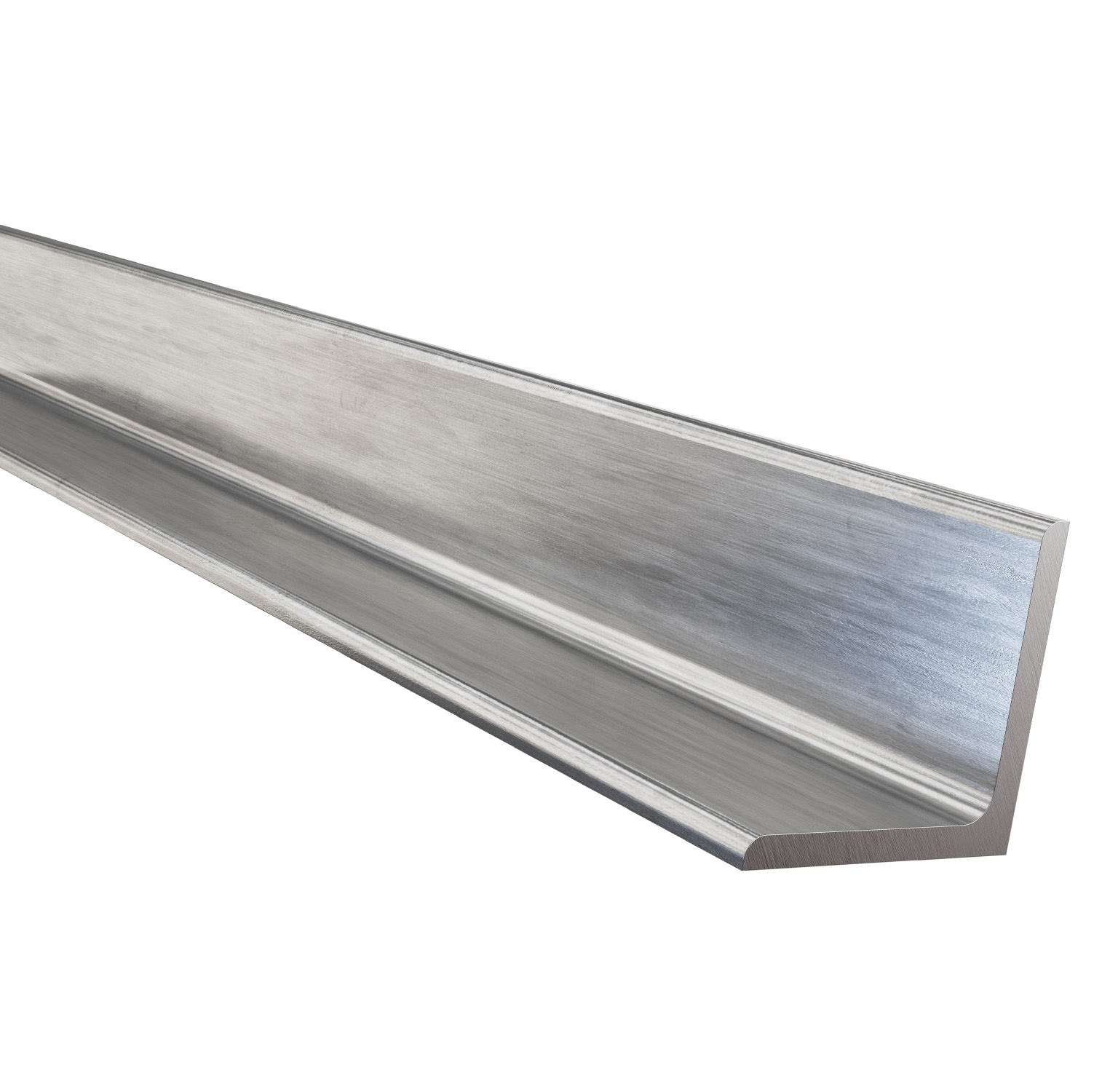
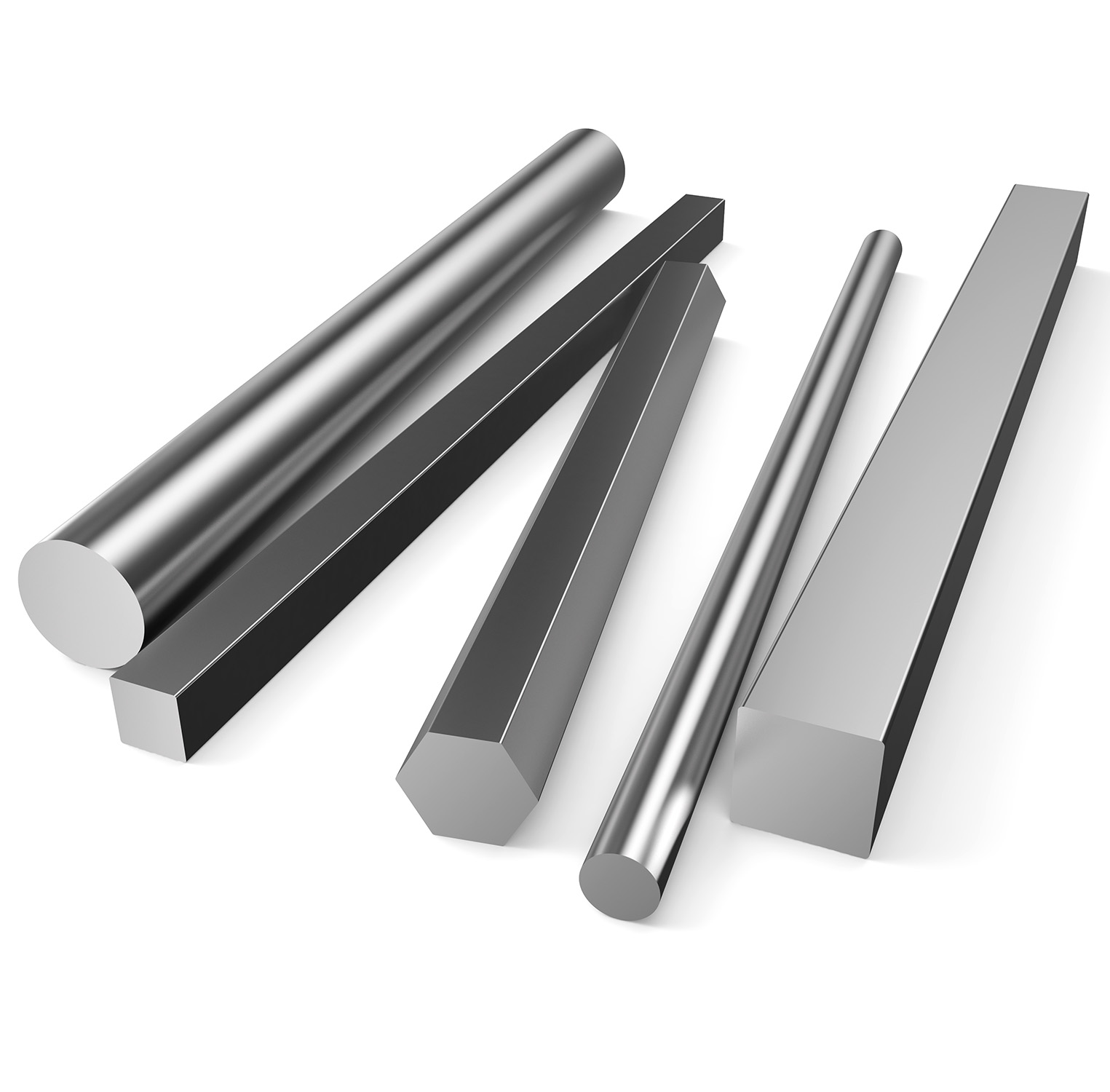
316 stainless steel is the industry standard for corrosion resistance in chloride, marine, and chemical environments. The addition of molybdenum gives 316 significantly better pitting and crevice corrosion resistance than 304 stainless steel, making it the preferred grade for pharmaceutical, food processing, offshore, and chemical processing applications. Shaw Stainless stocks 316 and 316L in pipe, tube, flanges, fittings, valves, bar, plate & sheet, and structural products.
Complete our Contact Form or call (800) 282-9694 to speak with a Shaw Stainless representative about your 316 stainless steel requirements.
Contact us
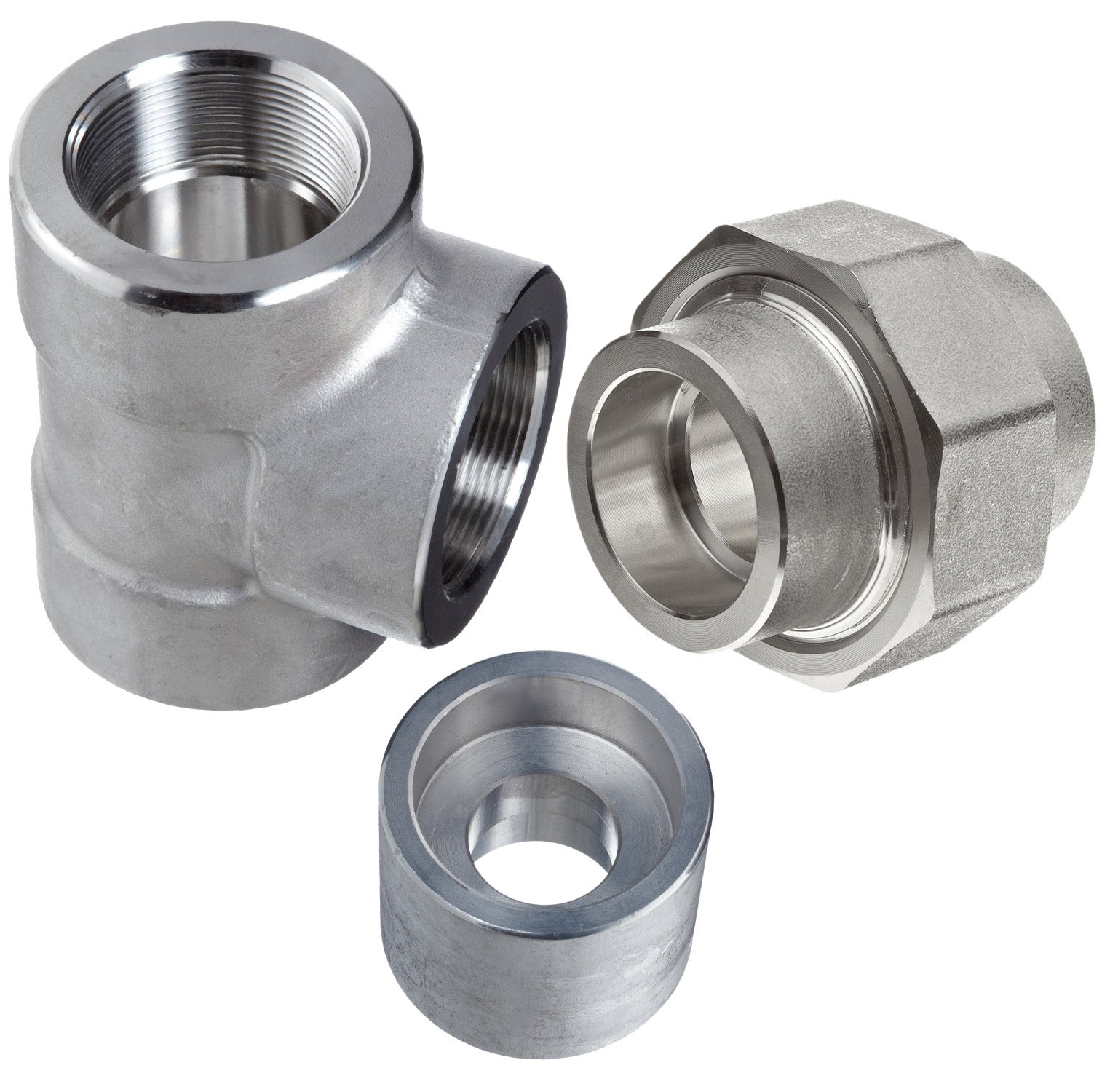
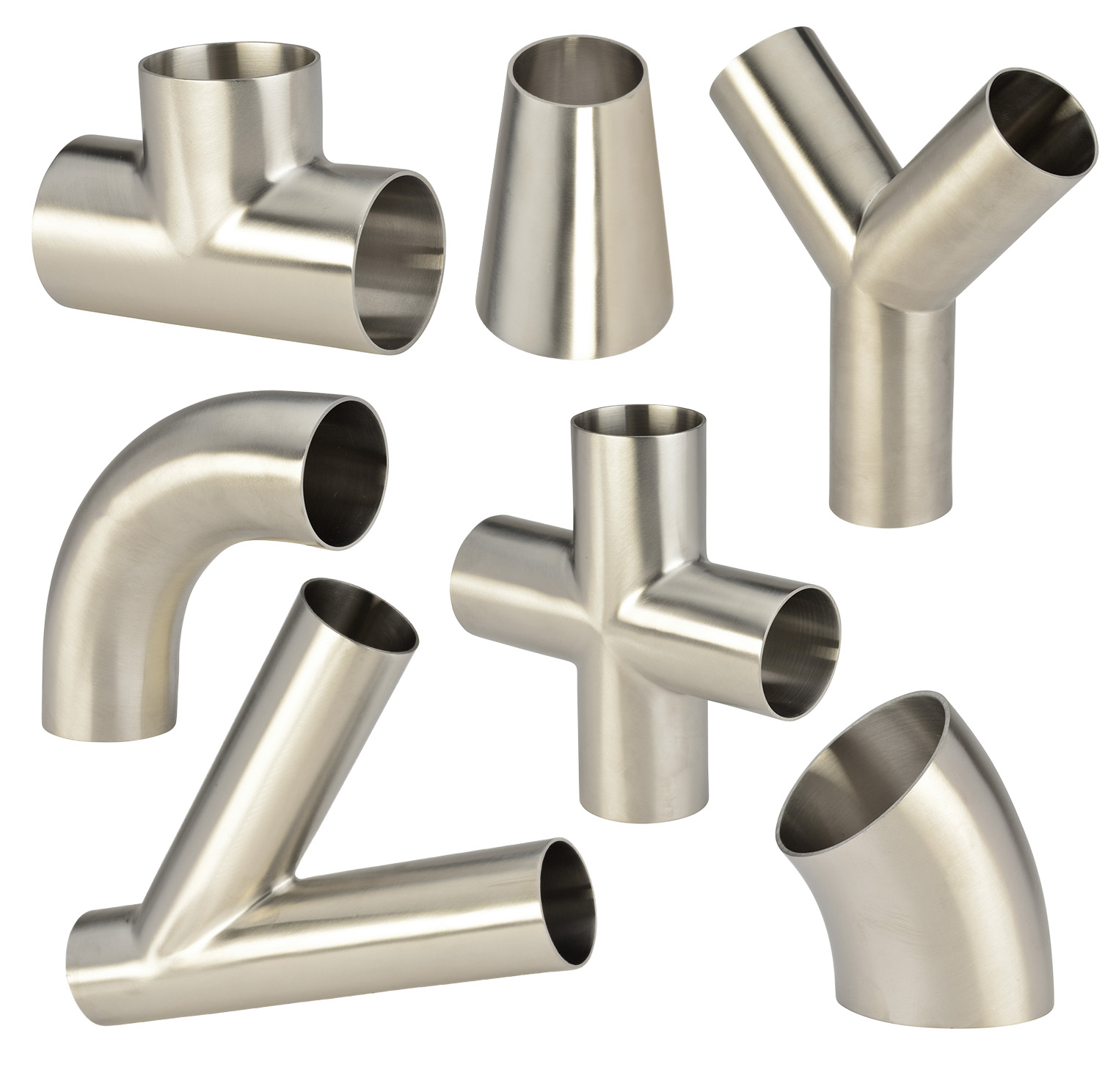
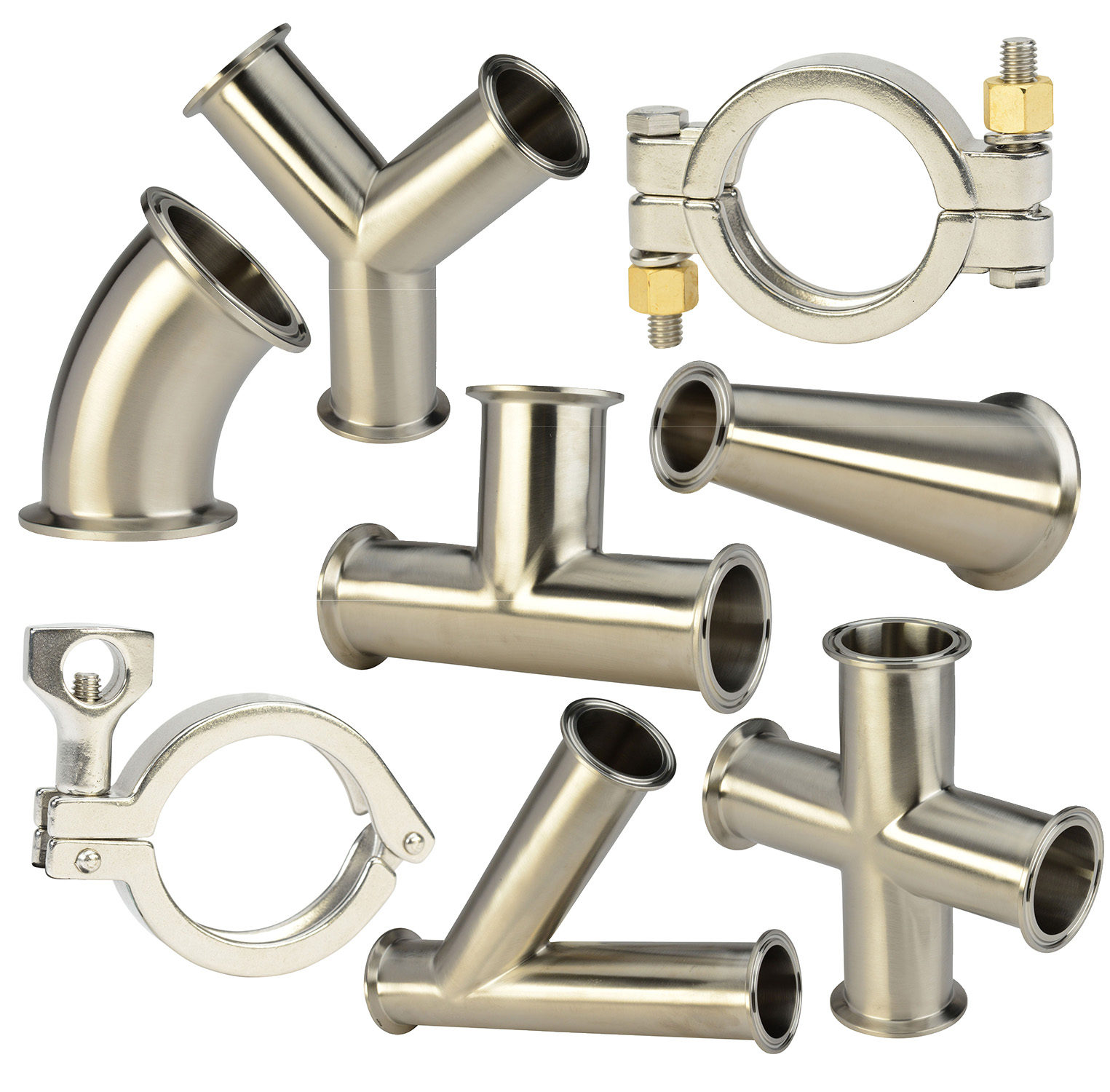
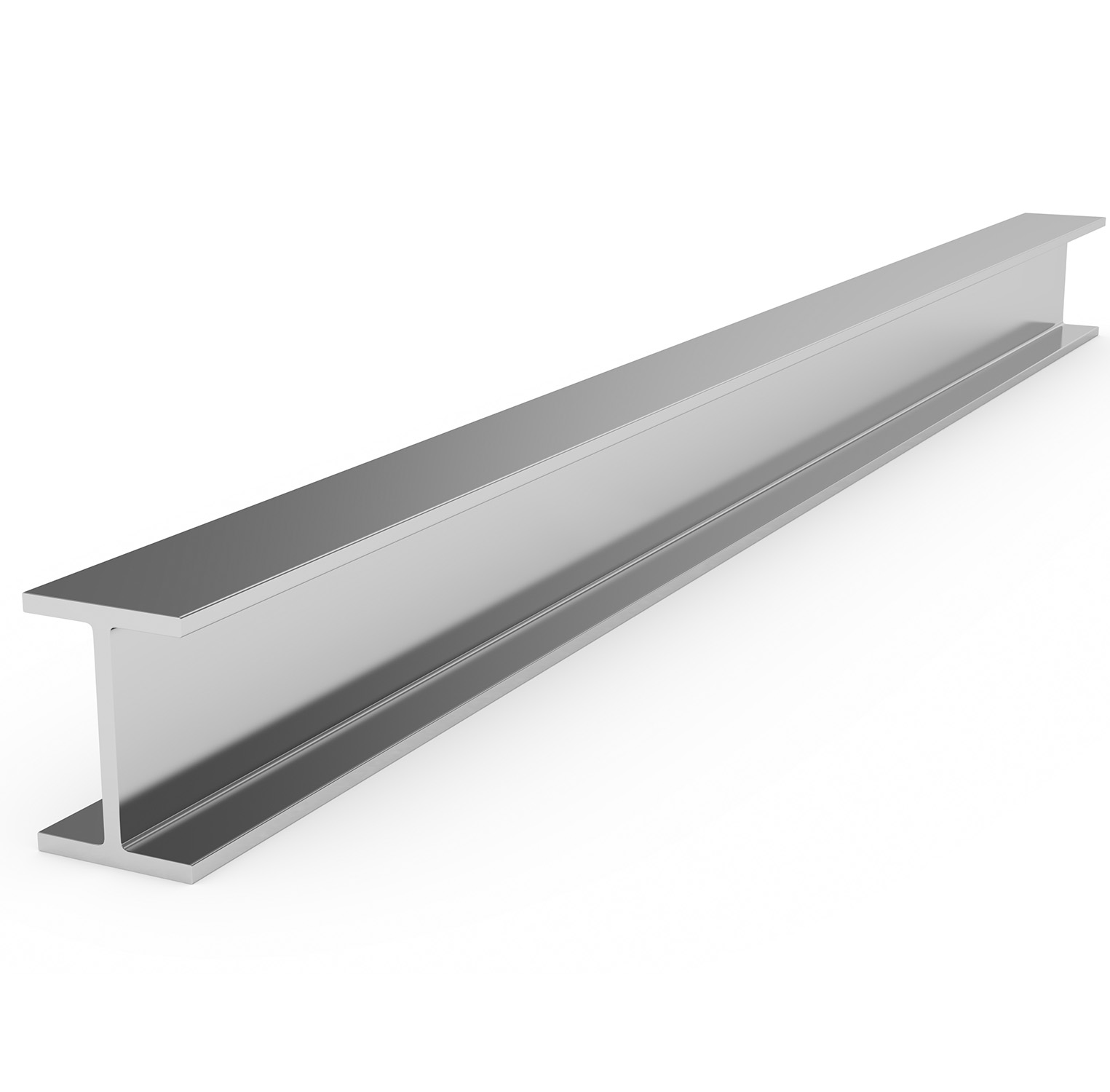
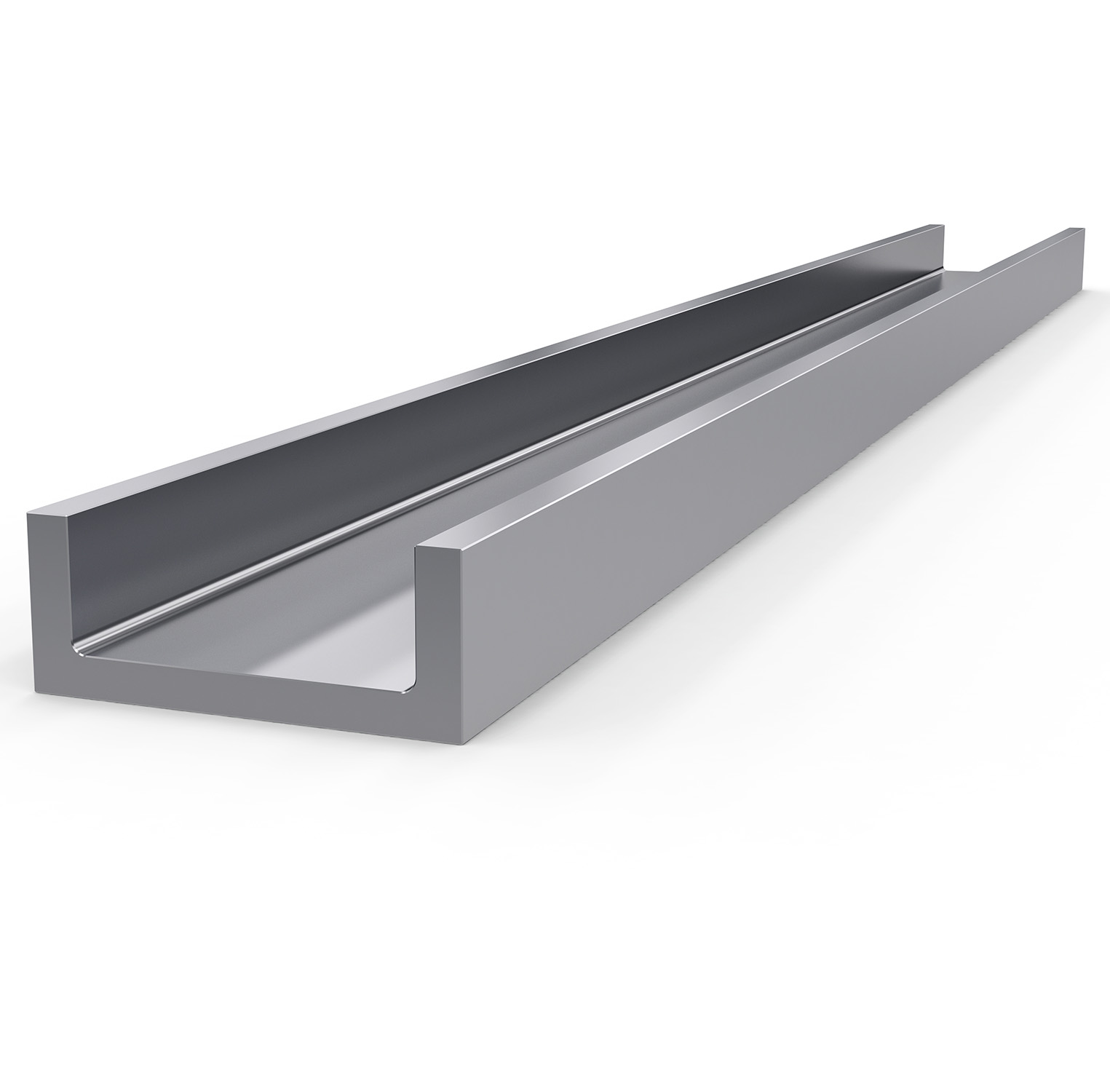
About 316 Stainless Steel
316 stainless steel is the second most widely used austenitic stainless steel grade, behind 304 stainless steel. What distinguishes 316 from other grades is the addition of 2–3% molybdenum, which significantly improves resistance to pitting and crevice corrosion — particularly in chloride-containing environments. This makes 316 the preferred grade for marine, chemical processing, pharmaceutical, and food processing applications where exposure to salts, acids, or aggressive chemicals is expected.
316 Stainless Steel Composition
316 stainless steel is an austenitic chromium-nickel alloy containing 16–18% chromium, 10–14% nickel, and 2–3% molybdenum. The chromium content forms a passive oxide layer on the surface that self-repairs when damaged, providing continuous corrosion protection. The nickel content stabilizes the austenitic crystal structure, which gives 316 its excellent formability, weldability, and toughness across a wide temperature range. The molybdenum addition is the key differentiator — it provides substantially better resistance to localized corrosion than grades without it.
316 vs. 316L Stainless Steel
316L is the low-carbon version of 316, with a maximum carbon content of 0.03% compared to 0.08% for standard 316. The lower carbon content in 316L reduces the risk of carbide precipitation (sensitization) in the heat-affected zone during welding. Sensitization can lead to intergranular corrosion along weld lines, so 316L is the preferred choice for welded assemblies that will be exposed to corrosive environments. For non-welded applications, 316 and 316L are functionally interchangeable. Shaw Stainless carries both 316 and 316L across our full product line.
316 Stainless Steel Properties
- Corrosion Resistance: Superior resistance to pitting, crevice corrosion, and chloride stress corrosion cracking compared to 304. Performs well in marine atmospheres, brackish water, and chemical environments containing sulfuric acid, hydrochloric acid, and chloride solutions.
- Temperature Range: Maintains strength and oxidation resistance in continuous service up to 1600°F (870°C) and in intermittent service up to 1700°F (925°C). Also retains excellent toughness at cryogenic temperatures.
- Strength: Typical tensile strength of 75,000 PSI (515 MPa) and yield strength of 30,000 PSI (205 MPa) in the annealed condition.
- Non-Magnetic: Austenitic structure is non-magnetic in the annealed condition, though cold working may introduce slight magnetic response.
- Weldability: Excellent weldability using all standard welding methods. 316L is recommended for welded constructions to prevent sensitization.
- Formability: Good formability and ductility for bending, drawing, and deep forming operations.
Common ASTM Specifications for 316 Stainless Steel
Shaw Stainless stocks 316 and 316L products conforming to the following ASTM standards:
- A213 / A269 — Seamless and welded austenitic stainless steel tubing
- A312 — Seamless, welded, and heavily cold-worked austenitic stainless steel pipe
- A240 — Chromium-nickel stainless steel plate, sheet, and strip
- A276 / A479 — Stainless steel bars and shapes
- A182 — Forged or rolled alloy and stainless steel flanges, fittings, and valves
- A403 — Wrought austenitic stainless steel butt-welding fittings
- A351 — Austenitic steel cast fittings and valves
- A270 — Seamless and welded austenitic stainless steel sanitary tubing
- A554 — Welded stainless steel mechanical tubing
316 Stainless Steel Applications
The molybdenum content in 316 makes it the material of choice for demanding environments across a wide range of industries:
- Marine & Offshore: Boat fittings, dock hardware, coastal architectural elements, offshore platform components, and seawater handling systems using 316 pipe, tube, and flanges
- Chemical & Petrochemical: Process piping, tanks, heat exchangers, condensers, and reactor vessels handling chlorides, sulfuric acid, and organic acids
- Food & Beverage: Processing equipment, tanks, conveyor systems built with 316 sanitary tube, sanitary weld fittings, and sanitary clamp fittings
- Pharmaceutical & Biotech: Clean room equipment, process vessels, sanitary valves, and CIP/SIP piping systems where high-purity surfaces and corrosion resistance are required
- Medical: Surgical instruments, implants, and medical device components
- Architectural: Exterior cladding, railings and platforms, and structural elements in coastal or high-pollution environments
- Pulp & Paper: Bleaching equipment, digesters, and chemical recovery systems
316 vs. 304 Stainless Steel
The primary difference between 316 and 304 stainless steel is the molybdenum content. While 304 is an excellent general-purpose grade suitable for most indoor and mildly corrosive environments, 316 is the better choice when the application involves chlorides, marine exposure, or aggressive chemicals. 316 also carries a higher cost due to the molybdenum and higher nickel content. For applications without significant chloride or chemical exposure, 304 provides equivalent performance at a lower price point. For more detail on all available alloys, see our stainless steel grades reference. Shaw Stainless can help you determine the right grade for your specific application.
In addition to stocking 316 stainless steel products, Shaw Stainless offers custom fabrication services including laser cutting, polishing, pipe threading, and electropolishing & passivation for 316 and 316L materials.
Contact us today and speak to one of our representatives about your 316 stainless steel product needs.
